
Camp Lejeune Water Contamination Claim refers to a legal action you can pursue to obtain compensation for illnesses and injuries linked to toxic exposure from the base’s contaminated drinking water during the mid 20th century. This claim is designed for individuals who lived, worked, or served at Camp Lejeune and developed conditions tied to documented contaminants.
📋 Neste artigo
- Camp Lejeune contamination: background and who may be eligible
- Health conditions linked to Camp Lejeune water contamination
- Legal framework: the Camp Lejeune Justice Act and your rights
- Step-by-step process to file a Camp Lejeune claim
- Strategies to maximize compensation and avoid common mistakes
- Conclusão
- Perguntas Frequentes
- How do I file a Camp Lejeune Water Contamination Claim?
- What evidence is required for a Camp Lejeune Water Contamination Claim?
- Who is eligible to file a Camp Lejeune Water Contamination Claim?
- How long does it typically take to resolve a Camp Lejeune contamination claim?
- What types of compensation can I recover from a Camp Lejeune contamination claim?
- Do I need an attorney for a Camp Lejeune Water Contamination Claim?
The contamination at Camp Lejeune created widespread health and personal impacts that continue to affect veterans, family members, civilian employees, and contractors. If Camp Lejeune Water Contamination Claim you or a loved one lived at the base for a significant period between the 1950s and 1980s, you may meet exposure criteria. You likely have practical questions about eligibility, required evidence, medical documentation, and the timeframe for filing claims, and those concerns are valid given the physical and financial toll many families face.
Scientific and medical research has linked Camp Lejeune water contamination to cancers, neurological disorders, kidney disease, and birth defects among other conditions. The Camp Lejeune Water Contamination Claim Camp Lejeune Justice Act provides a statutory pathway to seek damages, it clarifies your rights and the legal standards that apply, and it sets procedural requirements for bringing claims. Understanding which diagnoses qualify, how to establish causation, and what remedies are available is essential to building a strong case and obtaining meaningful compensation.
In the sections that follow you will find a clear breakdown of the Camp Lejeune contamination background and eligibility criteria, an overview of health conditions associated with the water exposure, and a plain language guide to the Camp Lejeune Justice Act and your legal rights. You Camp Lejeune Water Contamination Claim will also get actionable steps to document your claim, timelines to watch for, and practical tips on working with medical and legal professionals to maximize your recovery.
Camp Lejeune contamination: background and who may be eligible
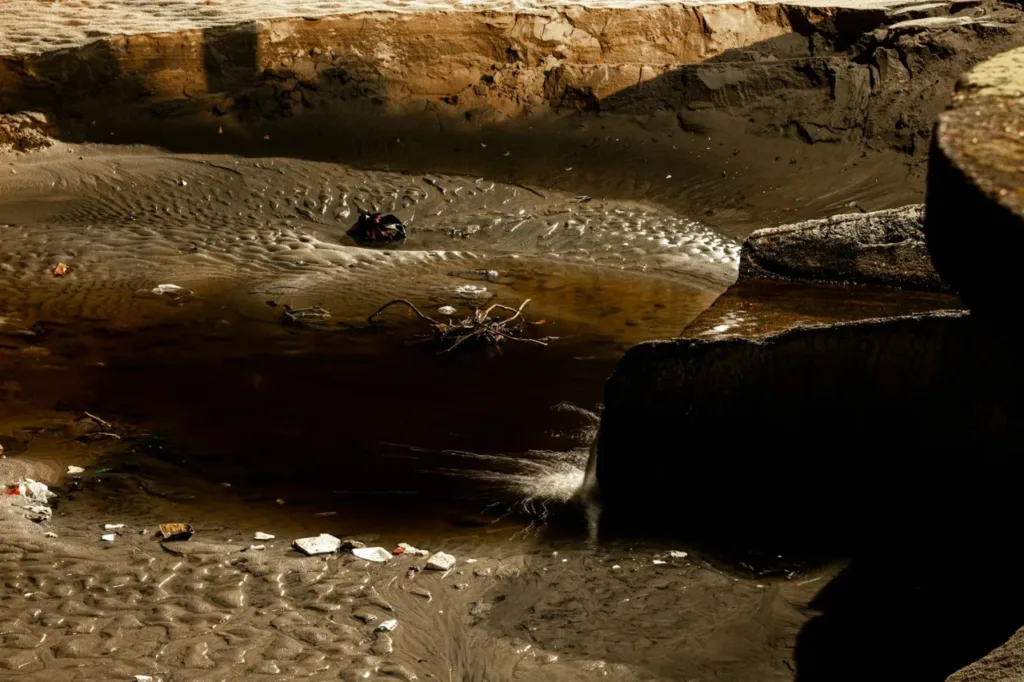
The water contamination at Camp Lejeune was a prolonged public health crisis that affected residents, service members, and civilian employees across decades. Multiple Camp Lejeune Water Contamination Claim investigations identified volatile organic compounds and other contaminants in base water systems, creating long term exposure risks. Evidence linking these chemicals to specific illnesses underpins potential legal remedies for those harmed.
Contamination timeline and sources
From the 1950s through the 1980s, routine water supplies at Camp Lejeune were repeatedly compromised by industrial solvents, fuel leaks, and improper disposal activities. These Camp Lejeune Water Contamination Claim sources included off‑base industrial sites, on‑base waste handling, and leaking underground storage tanks, which contaminated well heads and distribution systems.
Government reports and epidemiological studies documented peaks of contamination in identifiable time windows, enabling toxicologists to correlate exposure periods with later medical diagnoses. Those investigations provide the factual foundation for a Camp Lejeune Water Contamination Claim and support exposure histories used in claims evaluation.
Who may qualify for compensation
Eligibility generally extends to people who lived on the base, worked there, or served in the armed forces at Camp Lejeune during documented contamination periods, and who later developed conditions causally linked to the contaminants. Family Camp Lejeune Water Contamination Claim members, civilian contractors, and certain short term occupants may also qualify when medical evidence and residence records align.
To establish a viable Camp Lejeune Water Contamination Claim claimants typically need proof of presence on the base during the specified windows and medical records connecting illnesses to contaminant exposure. Legal assessments weigh service records, property leases, and environmental sampling data alongside clinical diagnoses.
Claimants should also consider filing deadlines, available benefits, and the role of administrative filings before pursuing litigation. Clear Camp Lejeune Water Contamination Claim documentation and expert medical opinions strengthen a claim, and understanding procedural requirements can improve outcomes. Next, we will outline filing deadlines and the specific evidence needed to pursue a claim.
Health conditions linked to Camp Lejeune water contamination
Recognized illnesses and diseases
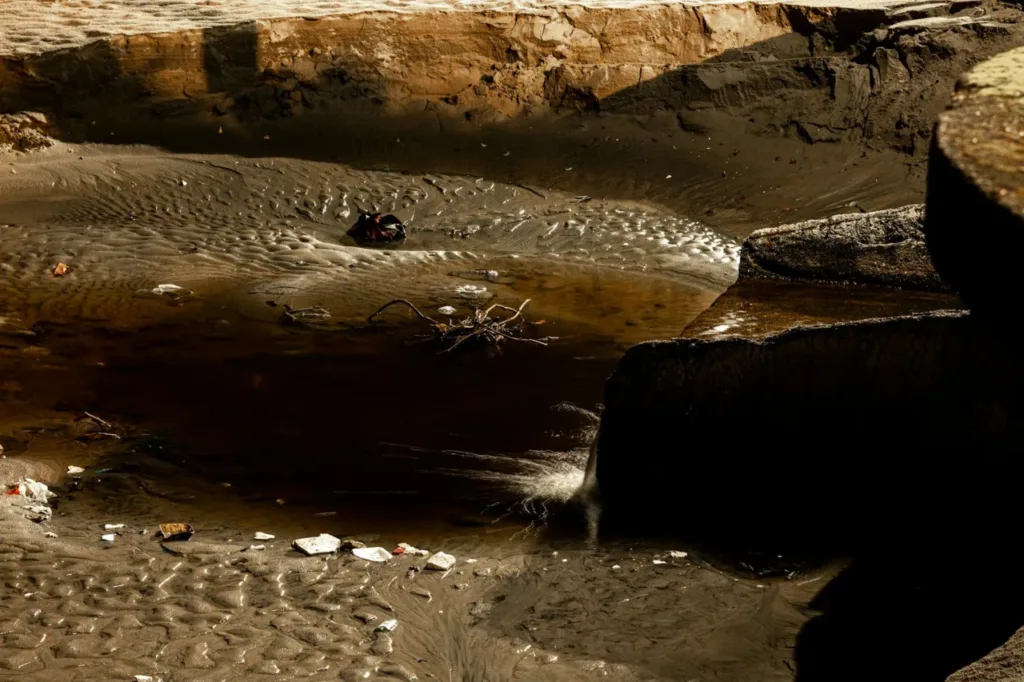
Several cancers and chronic conditions have been associated with long term exposure to contaminated drinking water at Camp Lejeune. Many veterans, civilian workers, and family members developed leukemias, non Hodgkin lymphoma, kidney cancer, bladder cancer, liver cancer, and multiple myeloma, and later pursued a Camp Lejeune Water Contamination Claim to seek compensation.
Beyond malignancies, studies and internal reports identify reproductive outcomes, birth defects, and neurological conditions among those exposed to volatile organic compounds. Autoimmune disorders and liver disease also appear with elevated frequency in exposed populations, creating a clinical profile consistent with prolonged toxic exposure, and motivating affected individuals to file a Camp Lejeune Water Contamination Claim.
Not every diagnosis will meet legal or medical thresholds, but clustering of specific illnesses among residents and service members provides a basis for investigation. Clinicians frequently look for latency periods, cumulative exposure history, and the absence of alternative causes when evaluating cases linked to base water contamination, which supports preparation of a Camp Lejeune Water Contamination Claim.
How to document medical evidence
Accurate documentation is essential for a successful claim. Collect primary sources such as physician diagnoses, pathology reports, imaging studies, laboratory results, and treatment summaries, and maintain copies of all relevant medical records that establish diagnosis and chronology for use in a Camp Lejeune Water Contamination Claim.
Supplement clinical documentation with service records, base housing or assignment orders, residency proofs, and any environmental reports that confirm presence on base during contamination periods. Expert Camp Lejeune Water Contamination Claim medical opinions that link a specific condition to documented exposures strengthen the causal argument, and chronological clarity improves legal viability.
Organize records to show exposure duration, onset of symptoms, and subsequent medical treatment. An experienced attorney or medical expert can help identify gaps and obtain missing records before filing, preparing you for the next section on eligibility and filing procedures.
Legal framework: the Camp Lejeune Justice Act and your rights
The federal response to decades of contaminated drinking water at Camp Lejeune came through the Camp Lejeune Justice Act, which created a statutory path for compensation. The Act permits civil actions against the United States for health harms linked to documented contaminants found in base water supplies. Understanding your procedural rights and remedies is essential before filing any claim.
Types of claims available
Victims may pursue personal injury claims for specific illnesses, chronic conditions, and cancer types tied to exposure, and they can file wrongful death claims when a relative dies from a covered disease. Plaintiffs commonly seek damages for medical expenses, pain and suffering, lost wages, and future care needs in a Camp Lejeune Water Contamination Claim.
Other recoverable categories include out-of-pocket costs for diagnosis and treatment, claims for diminished quality of life, and compensation for loss of consortium by family members. Administrative remedies may precede litigation in some circumstances, but direct civil suits under the statute are the primary avenue for a Camp Lejeune Water Contamination Claim.
Eligibility windows, statute of limitations, and exclusions
To qualify, plaintiffs generally must have lived, worked, or served at Camp Lejeune for a minimum residency period during the contamination window, commonly cited as the period from 1953 through 1987. That exposure timeframe defines who can allege causation in a Camp Lejeune Water Contamination Claim.
The statute includes strict filing timelines and procedural prerequisites, and courts apply both federal and applicable state rules when assessing timeliness. Many claimants must act within a narrowly defined period after the Act’s enactment, and failure to comply with these deadlines can bar recovery. Certain categories of defendants or claims may be excluded, and some administrative or workers compensation remedies can affect eligibility under the Act.
Because deadlines and exclusions can be technical and vary with individual circumstances, consult counsel promptly to evaluate your situation and preserve rights in a Camp Lejeune Water Contamination Claim. Next, we examine the contamination at Camp Lejeune and the evidence linking exposures to specific health outcomes.
Step-by-step process to file a Camp Lejeune claim
Begin with a systematic approach to documentation and deadlines. A clear record of where and when you lived or served at Camp Lejeune is essential, along with medical diagnoses that link to the exposure period. Organizing proof early reduces delays and strengthens your position for a Camp Lejeune Water Contamination Claim.
Required documents and evidence
Gather official service or employment records that show presence at Camp Lejeune during the affected years. Medical records, laboratory tests, and physician statements that connect conditions to toxic exposures are vital. Also include billing records and prescriptions to corroborate treatment history, and consider affidavits from family or co-workers who can attest to your residence and symptoms.
Photographs, base maps, and environmental reports can support timelines and exposure pathways. Secure copies of discharge papers, housing orders, and lease agreements where available. These items form the factual backbone of a Camp Lejeune Water Contamination Claim, and they should be preserved in both digital and physical formats.
Filing procedures and administrative review
File the required administrative claim forms with the appropriate federal or veterans office within the statutory timeframe. Follow the checklist provided by the agency, and retain proof of submission, such as certified mail receipts or electronic confirmations. Incomplete or late filings can be dismissed, so verify each requirement before sending.
During the administrative review, expect requests for supplemental documentation and medical opinions. Respond promptly to information requests, and obtain nexus letters from treating physicians when possible. These steps improve the likelihood of a favorable administrative determination on your Camp Lejeune Water Contamination Claim.
What to expect during negotiation or litigation
If the claim proceeds to negotiation, counsel will exchange evidence, submit demand packages, and attempt settlement discussions. Negotiations may involve structured offers and counteroffers, and expert testimony is commonly used to establish causation and damages for a Camp Lejeune Water Contamination Claim.
Should litigation be necessary, prepare for discovery, depositions, and motion practice. Trials can require extensive preparation and credible expert witnesses. Expect the timeline to extend over months or years, and plan for interim needs such as ongoing medical care and documentation updates.
After completing these steps you will be ready to move into the next section on timelines and statute limitations.
Strategies to maximize compensation and avoid common mistakes
Working with experienced attorneys and contingency fees
Start by selecting counsel with demonstrated experience in military toxic torts and mass exposure litigation. An experienced attorney can evaluate your Camp Lejeune Water Contamination Claim, identify liable parties, and explain applicable remedies and timelines.
Contingency fee arrangements align incentives and reduce upfront cost risk for claimants, attorneys advance litigation expenses and recover fees only if you obtain compensation. Ask about fee percentages, expense handling, and whether any costs will become your responsibility if the case is unsuccessful.
Preserving evidence and avoiding procedural errors
Preserve medical documentation, service records, and any contemporaneous notes that link exposure to illness, start gathering these items early to avoid loss or gaps. Maintain copies of diagnostic tests, prescriptions, and correspondence with medical providers, and use medical records to build temporal and causal connections for your claim.
Follow filing rules and statutory deadlines strictly, missing a deadline can forever bar recovery so consult counsel to confirm dates and required forms. Properly document chain of custody for physical evidence and follow preservation letters to laboratories or agencies when directed by your attorney to avoid procedural pitfalls.
Settlement vs. trial, pros, cons, and negotiation tips
Evaluate whether a settlement or trial best serves your interests based on case strength, medical prognosis, and financial needs, a settlement offers certainty while a trial can yield larger awards but includes greater risk. Use expert reports and demonstrative evidence to bolster negotiating leverage when presenting a demand for your Camp Lejeune Water Contamination Claim.
Negotiate with a clear reserve and an understanding of nonmonetary components such as structured payments or medical care provisions, consider mediation to resolve disputes efficiently. Keep in mind tax implications and future care costs when accepting an offer, get written releases that narrowly define scope to preserve residual rights where possible.
Careful counsel selection, meticulous evidence preservation, and strategic negotiation increase the likelihood of full recovery for a Camp Lejeune Water Contamination Claim. Next, we will detail the types of compensatory and noncompensatory damages claimants can pursue and the evidence needed to prove each.
Conclusão
Reflecting on the Camp Lejeune contamination crisis, the key takeaway is that affected service members, families, and civilian employees have a legitimate path to recover compensation for documented injuries, when exposure and medical causation can be established. Understanding which health conditions have been linked to the contaminated water, knowing the eligibility window for residency, and recognizing your rights under the Camp Lejeune Justice Act are core elements. Equally important are the procedural realities, collecting complete service and medical records, and avoiding common pitfalls that can weaken a case. With the right evidence and legal strategy, claimants can pursue meaningful relief for harms caused by longterm exposure.
Practical next steps focus on preparation and timely action. To pursue a Camp Lejeune Water Contamination Claim, gather all relevant service and housing records, compile medical diagnoses and treatment histories, document periods of residence on base between August 1953 and December 1987, and photograph any corroborating records or correspondence. Reach out to an attorney experienced with Camp Lejeune cases for an eligibility review, follow their guidance to preserve evidence, and file claims within applicable timelines. Avoid waiving rights by accepting early offers without counsel, and track all communications carefully to maximize compensation potential.
If this summary helped clarify your options, please comment with questions or share the article with others who may be affected. Apply these steps to start building your claim, and consult qualified counsel to assess your situation in detail. Your experience can help others, so consider sharing resources and updates as you move forward.
Perguntas Frequentes
How do I file a Camp Lejeune Water Contamination Claim?
To file a Camp Lejeune Water Contamination Claim you must determine eligibility under the Camp Lejeune Justice Act and prepare a civil complaint for filing in federal court. Collect service records, housing or employment documentation showing residence or work at Camp Lejeune between August 1953 and December 1987, and relevant medical records diagnosing a covered illness. Retain counsel experienced in federal toxic tort litigation to draft the complaint, handle service, and manage procedural deadlines and discovery.
What evidence is required for a Camp Lejeune Water Contamination Claim?
A successful Camp Lejeune Water Contamination Claim normally requires proof of presence at the base during the covered period, medical records documenting a qualifying diagnosis, and documentation tying the diagnosis to exposure. Useful supporting evidence includes military service records (e.g., DD214), housing records, employer records, medical provider notes, and expert medical causation opinions. Environmental reports and historical water contamination data can corroborate exposure but causation opinions are typically essential to bridge exposure and injury.
Who is eligible to file a Camp Lejeune Water Contamination Claim?
Eligibility for a Camp Lejeune Water Contamination Claim generally includes service members, civilian employees, and family members who lived or worked at Camp Lejeune between August 1953 and December 1987. The statute also allows claims by survivors or estates in the event of wrongful death linked to covered exposures. Eligibility can hinge on precise residence or employment dates and documented medical conditions, so a records review is critical.
How long does it typically take to resolve a Camp Lejeune contamination claim?
Resolution timelines for Camp Lejeune contamination claims vary widely depending on case complexity, court congestion, and whether the claim settles or proceeds to trial. Straightforward claims with clear documentation and cooperative defendants may settle within several months to a year, while contested cases involving extensive discovery and expert testimony can take multiple years. Expect periodic procedural milestones—pleadings, discovery, expert reports, motions, and potential settlement negotiations—that drive the overall timeline.
What types of compensation can I recover from a Camp Lejeune contamination claim?
Claimants can pursue economic damages such as past and future medical expenses and lost wages, as well as non-economic damages including pain and suffering and loss of consortium. In wrongful death cases, recovery typically includes funeral expenses, loss of financial support, and non-economic damages for survivors. The exact recoverable damages and calculation methods depend on the claimant’s individual losses, the jurisdiction’s procedural rules, and the strength of causation evidence.
Do I need an attorney for a Camp Lejeune Water Contamination Claim?
While not strictly required, retaining an attorney experienced in federal toxic tort and Camp Lejeune Water Contamination Claim litigation is highly advisable due to complex jurisdictional issues and causation proof requirements. An experienced lawyer will manage document collection, coordinate medical and scientific experts, comply with federal procedural rules, and negotiate settlements or try the case if necessary. Many firms handle these claims on a contingency-fee basis, which aligns attorney incentives with claim recovery.
