
Traumatic Brain Injury Attorney is a lawyer who specializes in representing people injured by concussions, contusions, diffuse axonal injury, or penetrating trauma, focusing on securing compensation, access to medical care, and protecting legal rights. If you or a loved one has a suspected brain injury from an accident, you need counsel who understands both the medical complexities and the legal strategies to hold responsible parties accountable.
📋 Neste artigo
- What a Traumatic Brain Injury Is and Your Legal Rights
- Accidents and Scenarios That Require a Traumatic Brain Injury Attorney
- How Attorneys Investigate, Document, and Prove TBI Claims
- Hiring and Working with a Traumatic Brain Injury Attorney: Fees, Timeline, and Client Responsibilities
- Contingency fees, case expenses, and how costs are handled
- Typical legal timeline from intake through settlement or trial
- Key questions to ask at the initial consultation and what documentation to bring
- How clients can support recovery and the legal process (medical compliance, recordkeeping, communication)
- Conclusão
- Perguntas Frequentes
- What does a Traumatic Brain Injury Attorney do for clients after a brain injury?
- When should I hire a Traumatic Brain Injury Attorney after an accident?
- How can a Traumatic Brain Injury Attorney help me prove long-term damages?
- What types of compensation can I pursue in a traumatic brain injury claim?
- How do I choose the right lawyer for a serious brain injury case?
- How long do I have to file a claim for a brain injury?
When you search for a Traumatic Brain Injury Attorney you are often facing uncertainty about prognosis, mounting medical bills, and the emotional strain of cognitive or personality changes. You need someone who will translate complicated medical reports into persuasive legal evidence, advocate for long term care and rehabilitation, and relieve the burden of dealing with insurers and opposing counsel while you focus on recovery.
Experienced attorneys coordinate neurologists, neuropsychologists, vocational experts, and life care planners to quantify present and future losses, document causation, and establish liability. They Traumatic Brain Injury Attorney understand the nuances of brain injury diagnostics, the importance of timely imaging and cognitive testing, and the strategies to preserve evidence and build a credible claim that shows both economic and non-economic damages you will face over time.
I will help you protect your future by explaining your rights and the legal process, and by showing how specialized counsel investigates, documents, and proves TBI claims. Read on for clear guidance on What a Traumatic Brain Injury Is and Your Legal Rights, Accidents and Scenarios That Require a Traumatic Brain Injury Attorney, and How Attorneys Investigate, Document, and Prove TBI Claims so you can make informed decisions about next steps.
What a Traumatic Brain Injury Is and Your Legal Rights
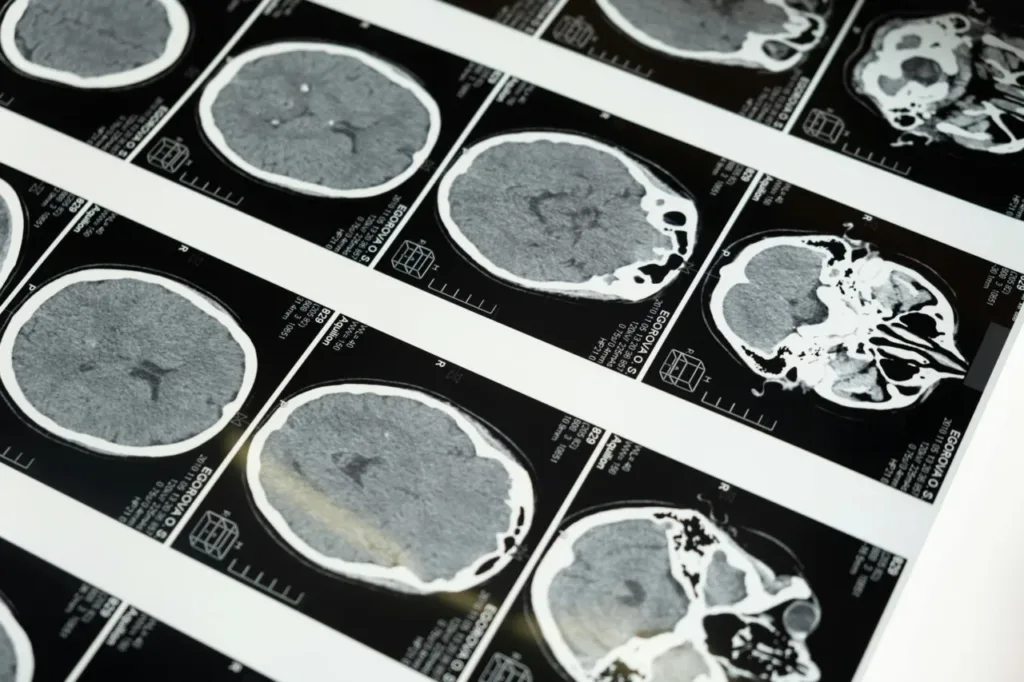
Traumatic brain injury, or TBI, is damage to brain tissue caused by an external force. It Traumatic Brain Injury Attorney ranges from mild concussions to severe penetrating injuries, with varied medical and functional consequences. Understanding the injury type is essential for pursuing compensation and accessing specialized care.
Common types of TBI (concussion, contusion, diffuse axonal injury)
Concussion, contusion, and diffuse axonal injury are among the most common classifications. A concussion is a functional injury often without clear structural damage on initial imaging. A contusion involves localized bruising of the brain, and a contusion can show up on CT or MRI scans. Diffuse axonal injury is widespread shearing of nerve fibers and often leads to more profound impairment.
Typical short‑ and long‑term symptoms and functional impacts
Short term symptoms frequently include headaches, dizziness, nausea, confusion, and memory lapses. Many Traumatic Brain Injury Attorney people recover from mild injuries within weeks, but some symptoms persist. Cognitive deficits, mood changes, and sleep disturbances are common chronic problems after moderate to severe TBI.
Long term functional impacts can affect attention, executive functioning, and motor skills. Changes in personality and emotional regulation often create barriers to daily living and community participation. When these deficits interfere with quality of life, legal remedies may be necessary to secure long term care and rehabilitation, and a Traumatic Brain Injury Attorney can document those needs for claims and litigation.
How TBI can affect employment, family life, and financial stability
Loss of work capacity and reduced earning potential are frequent consequences of TBI. Employers may not fully accommodate cognitive limitations, and obtaining disability benefits typically requires medical and vocational evidence. A Traumatic Brain Injury Attorney can help assemble evidence to support wage loss and future care needs in legal and insurance proceedings.
Family dynamics often change as caregivers assume new responsibilities. Out-of-pocket medical costs, home modifications, and lost income create financial strain. Seeking counsel early ensures your legal rights are protected and helps secure compensation for economic and non-economic losses with the assistance of a Traumatic Brain Injury Attorney.
Next, learn how to document injuries, preserve evidence, and build a claim that reflects the full scope of harm.
Accidents and Scenarios That Require a Traumatic Brain Injury Attorney

Common causes (motor vehicle crashes, slips and falls, assaults, sports injuries, medical malpractice)
Brain injuries most often arise from high-force impacts and blunt trauma. Typical events include motor vehicle crashes, falls from heights, assaultive encounters, contact sports collisions, and errors by healthcare providers such as medical malpractice. Each mechanism produces different injury patterns that affect liability and damages.
Determining fault and causation in these incidents requires both medical insight and legal strategy. If liability is contested, retaining a Traumatic Brain Injury Attorney early protects evidence, secures timely imaging, and preserves witness testimony that can be critical to a claim.
Red flags that indicate you should seek legal counsel
Certain clinical and administrative signs suggest the need for legal intervention. Prolonged Traumatic Brain Injury Attorney loss of consciousness, persistent cognitive decline, seizures, or new behavioral changes after an accident are red flags that deserve both medical treatment and legal review. These symptoms often require specialist care and may indicate significant long-term needs.
Administrative warning signs also matter, including delayed coverage approvals, insurer disputes over causation, or low settlement offers that do not account for future care. When insurers downplay injuries or offer quick settlements, a Traumatic Brain Injury Attorney can intervene, challenge undervaluation, and arrange for proper expert opinions.
Statute of limitations and why prompt action matters
Every state sets deadlines for filing personal injury lawsuits, and those statutes of limitations are strictly enforced. Missing the filing window can permanently bar recovery for medical expenses, lost income, and pain and suffering, which is why prompt action is essential.
Early legal engagement helps preserve critical evidence, authorizes timely expert evaluations, and coordinates with medical providers to document causal links. For guidance on assembling medical records and expert testimony, consult with a Traumatic Brain Injury Attorney.
How Attorneys Investigate, Document, and Prove TBI Claims
Collecting and organizing medical records and imaging
Prompt collection of emergency notes, hospital charts, outpatient records, and imaging is essential. Practitioners request medical records from every treating provider, including EMS run sheets and rehab progress notes, to build a complete care timeline.
Records are organized into a clinical chronology and an indexed file that highlights objective findings, imaging dates, and gaps in care. Counsel then synthesizes this material so that a Traumatic Brain Injury Attorney can present clear cause, course, and injury progression to experts and factfinders.
Working with medical experts, neuropsychologists, and vocational specialists
Case development relies on consults with neurologists, neuroradiologists, and neuropsychologists to translate tests into causation opinions. Independent examinations and neuropsychological testing reports provide objective measures of cognitive deficits and functional limitations.
Vocational specialists quantify employability loss and future earning capacity, and coordinated expert reports form a unified causation and damages theory. Expert testimony is drafted and refined so a Traumatic Brain Injury Attorney can withstand Daubert and Frye challenges and present testimony that is admissible and persuasive.
Accident investigation, liability evidence, and witness preservation
Investigators document the scene, preserve video and physical evidence, and obtain vehicle data and maintenance records to establish mechanism of injury. Early witness interviews and signed statements prevent fading memories and support timelines, and careful preservation prevents spoliation issues that undermine claims.
Reconstruction experts, combined with medical causation, link the force and kinematics of the event to observed brain injury. These elements are assembled into demonstrative exhibits and deposition-ready packages so a Traumatic Brain Injury Attorney can prove liability, causation, and damages at mediation or trial. The next section explains how attorneys quantify economic and non-economic damages and prepare settlement strategy.
Hiring and Working with a Traumatic Brain Injury Attorney: Fees, Timeline, and Client Responsibilities
Contingency fees, case expenses, and how costs are handled
Most personal injury firms accept brain injury matters on a contingency fee basis, so clients pay no hourly bill during the case and the lawyer is paid a percentage of any recovery. This aligns the attorney’s incentive with client outcomes, and a clear fee agreement should state the percentage, whether fees increase for appeals, and how costs are deducted before or after fees are calculated.
Beyond fees, expect separate case expenses such as expert witness fees, medical record retrieval, imaging costs, and deposition charges. Your attorney will explain whether those costs are advanced by the firm and reimbursed from the settlement, or billed as they occur, and you should get a written cost policy before signing with a Traumatic Brain Injury Attorney.
Typical legal timeline from intake through settlement or trial
Initial intake and investigation typically take weeks, as the attorney obtains records, consults medical experts, and evaluates liability and damages. Discovery can last several months, involving written requests, depositions, and expert reports, while settlement negotiations often proceed in parallel.
If negotiations stall, filing suit starts the litigation clock and your case may proceed toward mediation, pretrial motions, and a trial date that could be a year or more away. Throughout, regular status updates from your Traumatic Brain Injury Attorney should explain realistic timelines based on jurisdiction and case complexity.
Key questions to ask at the initial consultation and what documentation to bring
Prepare focused questions: ask about the attorney’s trial experience, past results with brain injury cases, fee structure, expected timelines, and which experts they will retain. Clarify who in the firm will handle daily communication and how often you will receive updates.
Bring all relevant items, such as incident reports, emergency department notes, follow-up clinic records, imaging, employer reports, and prior settlement or insurance communications. Bring a written symptom chronology and contact information for treating providers to streamline the case evaluation with a Traumatic Brain Injury Attorney.
How clients can support recovery and the legal process (medical compliance, recordkeeping, communication)
Consistent medical compliance is essential. Attend appointments, follow prescribed therapies, and document treatments and functional changes. Failure to follow medical advice can be used against you, and a responsible client improves both recovery and legal credibility with a Traumatic Brain Injury Attorney.
Keep organized records of bills, prescriptions, work absences, and daily symptom logs. Save emails, voicemails, and any accident-related photographs. Promptly respond to attorney requests and notify the firm about new providers or changes in condition to maintain case momentum and preserve evidence.
When you are ready, the next section will address evidence gathering, expert witnesses, and building a medical-legal narrative for optimal recovery and compensation.
Conclusão
Facing the aftermath of brain trauma requires a measured, informed approach, combining medical care with a clear understanding of your legal rights. This article reviewed what a traumatic brain injury is, the scenarios that commonly give rise to claims, and why specialized representation matters. You learned how a Traumatic Brain Injury Attorney investigates and documents claims, leverages medical and forensic evidence, and works with experts to quantify economic and noneconomic losses. The discussion explained the main categories of compensation, the methods used to calculate short term and long term damages, and what to expect when hiring counsel, including fee structures, typical timelines, and client responsibilities. Taken together, these points underscore the importance of early action, meticulous documentation, and choosing an attorney experienced in complex brain injury litigation.
Practical next steps include prioritizing complete medical treatment and records, preserving accident evidence and witness contacts, and avoiding recorded statements to insurers without counsel. Request a prompt consultation with a Traumatic Brain Injury Attorney who can evaluate liability, identify needed experts, and estimate potential damages. Prepare for the meeting by compiling medical bills, employment records, and a chronology of symptoms and care, ask about contingency fees and anticipated expenses, and establish a communication plan for updates and decision points. Early collaboration between medical providers, vocational specialists, and legal counsel improves the accuracy of damage assessments and strengthens settlement or trial readiness.
If this guidance was useful, please comment with questions or share the article with others who may benefit, and consider applying the recommendations by scheduling an evaluation with qualified counsel. Your feedback helps refine practical resources, and sharing this information can help protect someone else’s future after a serious brain injury.
Perguntas Frequentes
What does a Traumatic Brain Injury Attorney do for clients after a brain injury?
A Traumatic Brain Injury Attorney coordinates a comprehensive legal response that complements medical care, including evidence preservation, liability investigation, and claims valuation. They work with neuropsychologists, vocational experts, and life-care planners to document cognitive deficits, functional limitations, and long-term care needs. The attorney negotiates with insurers, prepares demand packages, and, if necessary, litigates to secure compensation for medical expenses, lost earnings, and non-economic damages. Their role also includes protecting clients from premature settlements and advising on future financial protections such as structured settlements or trusts.
When should I hire a Traumatic Brain Injury Attorney after an accident?
You should consult a Traumatic Brain Injury Attorney as soon as your medical condition is stabilized and evidence is still available, ideally within days to weeks of the incident. Early intervention preserves crucial records, secures witness statements, and prevents missteps with insurers that could weaken your claim. An attorney can also advise on deadlines and immediate legal steps, such as preserving insurance claims and avoiding admissions of fault. Prompt legal involvement increases the likelihood of fully documented damages and stronger settlement outcomes.
How can a Traumatic Brain Injury Attorney help me prove long-term damages?
A Traumatic Brain Injury Attorney assembles a multidisciplinary team to document long-term damages, including neurologists, neuropsychologists, occupational therapists, and vocational rehabilitation specialists. They synthesize medical records, neuroimaging, cognitive testing, and functional assessments to establish causation and future care needs. The attorney then translates these findings into economic terms—projecting future medical costs, lost earning capacity, and the need for home modifications or ongoing assistance. That comprehensive demonstration is used to support settlement negotiations or expert testimony at trial.
What types of compensation can I pursue in a traumatic brain injury claim?
You can pursue economic damages such as past and future medical expenses, rehabilitation costs, lost wages, and reduced earning capacity. Non-economic damages include pain and suffering, loss of enjoyment of life, and emotional distress, which are significant in cognitive and personality-altering injuries. In cases of extreme misconduct by the defendant, punitive damages may also be available to punish and deter. A skilled attorney will quantify both current costs and projected lifetime needs to present a full damage demand.
How do I choose the right lawyer for a serious brain injury case?
Choose an attorney with documented experience handling traumatic brain injury cases and access to medical and life-care experts who can substantiate complex claims. Evaluate their track record for settlements and verdicts, fee structure (typically contingency-based), and ability to explain medical findings in plain terms. Confirm they have sufficient resources to finance expert testing and litigation if needed, and seek referrals or client reviews that attest to communication and outcomes. A strong fit combines legal expertise, multidisciplinary support, and transparent client communication.
How long do I have to file a claim for a brain injury?
Filing deadlines for brain injury claims vary by jurisdiction and by claim type—personal injury, medical malpractice, or claims against government entities each have different statutes of limitations. Some states have shorter periods for medical negligence and special notice requirements for claims against public bodies, while tolling rules may extend deadlines for minors or incapacitated plaintiffs. Because these deadlines are jurisdiction-specific and can be complex, consult a qualified attorney promptly to determine the precise timeframe and preserve your right to pursue compensation. Failing to act within the applicable statute of limitations can bar recovery entirely.
